
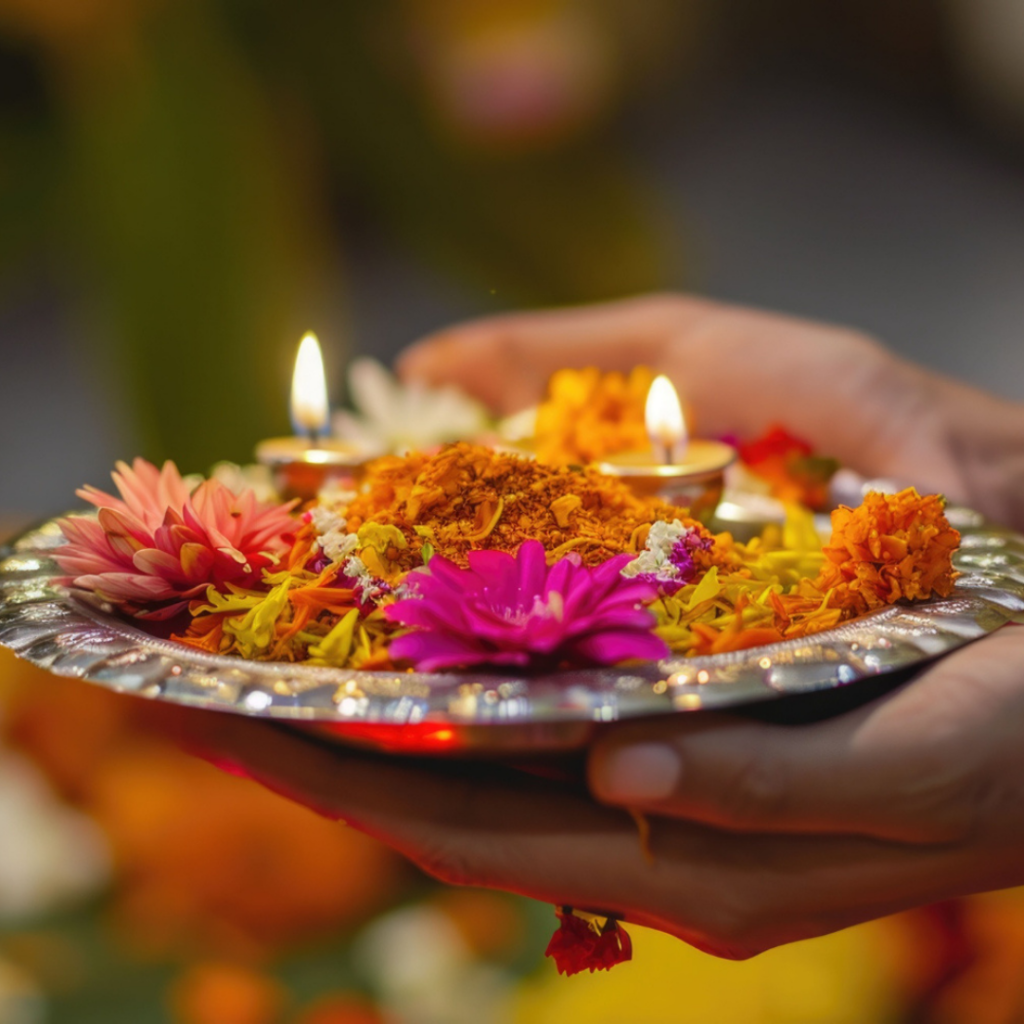
According to the Vedic calendar, each month brings unique fasts and festivals, each holding its own special significance. As the months change, we learn about various festivals and associated beliefs. Today, we are discussing Yogini Ekadashi, which falls on the Ekadashi (eleventh day) of the Shukla Paksha (waxing phase of the moon) in the month of Ashadha. It is customary to observe a fast and worship Lord Vishnu and Goddess Lakshmi on this day. It is believed that following this date, Lord Vishnu retires to the Kshir Sagar (Ocean of Milk) to rest for the next four months—a period known as Chaturmas. Let us first understand the auspicious timing (muhurta) for Yogini Ekadashi and the significance of this fast.
Shubh Muhurat Timing for Yogini Ekadashi
According to astrology, the Yogini Ekadashi tithi (lunar day) will begin at 8:16 AM on July 10, 2026, and conclude at 5:22 AM on July 11. For those observing the fast, the appropriate time to break it (paran) is between 1:50 PM and 4:36 PM on July 11.
Auspicious Yogas Forming on This Day
The Shivwas Yoga is forming on the day of Yogini Ekadashi. Notably, the month of Sawan (Shravan) begins on July 11, coinciding with this Shivwas Yoga. This Yoga indicates where Lord Shiva will reside; according to scriptures, Shiva’s abode changes on different dates each month. Worshipping Lord Shiva on this day brings happiness and prosperity. Additionally, Bava and Balava Karana Yogas are also forming on the day of Yogini Ekadashi.
Yogini Ekadashi Vrat Katha
According to mythology, a gardener named Hemmali served Kubera, the King of Heaven. He tended to the trees, plants, and gardens, and every morning, he would gather flowers for the worship of Lord Shiva. One morning, however, he failed to arrive on time for some reason. Kubera became furious at Hemmali’s tardiness and demanded an explanation. Receiving no satisfactory answer, he cursed Hemmali to suffer from leprosy and to be banished to the mortal world, separated from his wife. Cursed for his lapse, Hemmali began wandering across the earth. During his travels, he eventually arrived at the ashram of Sage Markandeya. The sage listened to his story and expressed sympathy for his plight. He then advised Hemmali to observe the Yogini Ekadashi fast. Seeking liberation from the curse, Hemmali observed the fast with full ritualistic devotion. Through the power of the fast, he was cured of leprosy and reunited with his wife. Blessed by divine grace, Hemmali returned to heaven with his wife.
Worship Rituals for Yogini Ekadashi Vrat
Begin by consuming *sattvic* (pure, vegetarian) food on the day of *Dashami* (the day prior to Ekadashi) and avoid eating rice. Additionally, after your meal, cleanse your teeth using a neem twig before sleeping and observe the vow of celibacy (*Brahmacharya*).
On the morning of Ekadashi, wake up early and bathe. If possible, bathe in a river or a holy pond, as this is believed to yield double the spiritual merit. Alternatively, adding a little *Gangajal* (holy water from the Ganges) to your bathwater is also beneficial.
Next, prepare for the worship and clean the designated prayer area. Spread a yellow cloth at the spot and place an idol or picture of Lord Vishnu upon it. Bathe the idol with *Panchamrit* (a mixture of milk, curd, honey, ghee, and sugar) while chanting mantras.
Offer yellow garments, yellow flowers, sandalwood paste, *Akshat* (unbroken rice grains), incense, and a *diya* (lamp) to the Lord. Plucking Tulsi leaves is prohibited on Ekadashi; therefore, gather the leaves on *Dashami* itself.
Afterward, recite the *Vishnu Sahasranama* and listen to the *Vrat Katha* (the story associated with the fast). You may also recite the *Bhagavat Katha*.
During the evening *Aarti*, light a lamp near the Tulsi plant and offer prayers. Spend the night singing *bhajans* (devotional songs) and hymns in praise of the Lord.
After observing the fast on Ekadashi, break it (*Parana*) properly on *Dwadashi* (the following day) to ensure you receive the full spiritual benefits. Feed the needy and break your fast during the auspicious time (*Shubh Muhurat*). Charity holds special significance on this day; it is customary to donate clothes, umbrellas, food items, and *Dakshina* (offering/alms). Doing so helps alleviate all troubles and hardships.
To know more about Yogini Ekadashi 2026 talk to our astrologers now!
