
Chaitra Navratri 2026 is just around the corner. During these nine nights—commencing on March 19th—devotees of Goddess Durga not only worship her but also observe a ritual fast. It is widely believed that observing this fast with strict adherence to all prescribed rituals leads to the fulfilment of all desires. Although a wide variety of food items suitable for fasting are readily available in the market, people often remain uncertain or confused regarding what constitutes an appropriate diet during this period. If you, too, are making preparations for Navratri and are busy preparing fasting-friendly meals in your kitchen, we encourage you to read this article to the very end. It not only details the specific food items permitted during the fast but also clearly outlines which ingredients should be strictly avoided.
It is a common belief that one should consume light and *Sattvic* (pure) food during Navratri. This helps keep both the body and mind calm, thereby facilitating the proper and disciplined performance of meditation and worship rituals. Indeed, specific guidelines have been established for various aspects of Navratri—ranging from worship protocols to fasting practices—and adhering to these rules is believed to invoke the special blessings of the Goddess. Let us begin by exploring exactly which food items should be consumed during Navratri.
Avoid These Items During Navratri
To maintain purity and exercise mental discipline during these nine days, onions and garlic are strictly excluded from the preparation of meals.
During the fasting period, the consumption of any type of lentils (*dals*) or legumes (beans) is prohibited.
Instead of regular table salt, Sendha Namak (Rock Salt) is used for cooking meals. This is also commonly referred to as “fasting salt.”
During the fast, one should refrain from using spices such as fenugreek seeds (methi dana), yellow mustard seeds, black mustard seeds, turmeric, asafoetida (hing), whole coriander seeds, and *Garam Masala* powder.
During this sacred period, strictly avoid consuming non-vegetarian foods such as meat, fish, and eggs.
Avoid consuming any food items rich in preservatives. Additionally, oats, poha, daliya, and maize are also not consumed during the fast.
Furthermore, one should refrain from using seed-based oils to fry any dishes.
During Navratri, wheat flour, rice, and rice flour are not consumed. Additionally, one should also avoid eating semolina (suji) and gram flour (besan).
Let’s find out what foods are permissible during Navratri.
When it comes to fasting, ingredients such as water chestnut flour (singhara), buckwheat flour (kuttu), and amaranth flour (rajgira) are consumed during this period.
Those who enjoy eating rice can opt for *Sama* rice (Barnyard millet); the flour derived from this grain can also be utilized. This rice can be used to prepare dishes such as *kheer* (pudding), pulao, and idli.
Additionally, to enhance both the flavor and nutritional value of your meals, you may use cumin seeds, black pepper powder, and rock salt (Sendha Namak).
You may also incorporate yogurt, lemon, and red chili powder into your cooking. Furthermore, tomatoes can be used to prepare soups, purees, or vegetable curries.
To create a variety of meals for different days of the festival, one can prepare dishes such as potato curry, pumpkin curry, sweet potato halwa, and Arbi (colocasia).
Those who enjoy eating vegetables can consume bottle gourd (lauki), carrots, and spinach, in addition to potatoes.
If you wish to eat Kheer, you can prepare it using sago (sabudana) and fox nuts (makhana). Additionally, sago can be used to make Khichdi, tikkis, and pakoras.
Similarly, fox nuts can be enjoyed as Bhel, Chaat, or simply roasted.
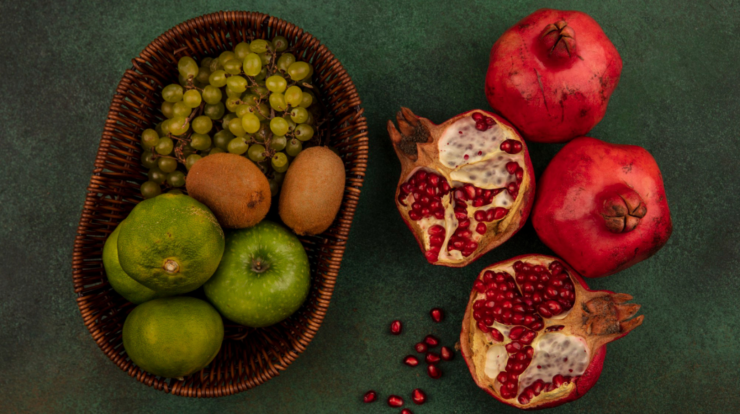
Furthermore, fruits are also consumed during fasting periods. They can be used to prepare shakes, juices, custards, and lassi.
Moreover, consuming yogurt during a fast provides energy and helps keep the stomach cool.
चैत्र नवरात्रि दुर्गा पूजा 2026 बुक करने के लिए क्लिक करें।
